


Sea buckthorn is much more than just a shrub: it’s a fascinating plant that plays a vital role in preserving biodiversity!
Behind its unassuming appearance, this thorny shrub hides a nutritional and ecological profile that is truly exceptional. With berries bursting with vitamins, regenerative oil, and the ability to revitalize even the poorest soils, the sea buckthorn— a true natural gem— proves invaluable at every level, from the soil microbiome to our plates.
Sea buckthorn, also known as Hippophae, is a plant species that thrives in temperate to cold regions and mountainous areas. Its silvery-green leaves and bright orange berries are a feast for the eyes. However, sea buckthorn is also a vital treasure for the ecosystems it inhabits.
Its name is often confused with that of the strawberry tree, a Mediterranean tree with very different red fruits. From their botanical family to their growing regions and the composition of their berries, they are completely different. To learn more, check out our guide on the difference between sea buckthorn and strawberry tree.
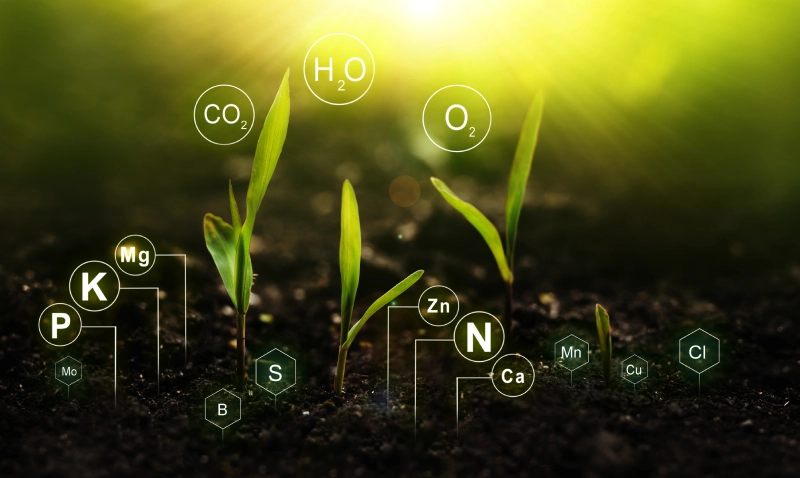
Sea buckthorn is known for its ability to stabilize soil. Its extensive root system helps prevent erosion. Its deep roots also promote the growth of microorganisms that enhance soil fertility.
Beyond its ecological role, sea buckthorn is also prized for its health benefits. Its berries are rich in vitamins, omega-7, and antioxidants, which have documented benefits for the skin, the immune system, and digestion. To learn more, discover the recognized benefits of sea buckthorn, from skin health to metabolism.
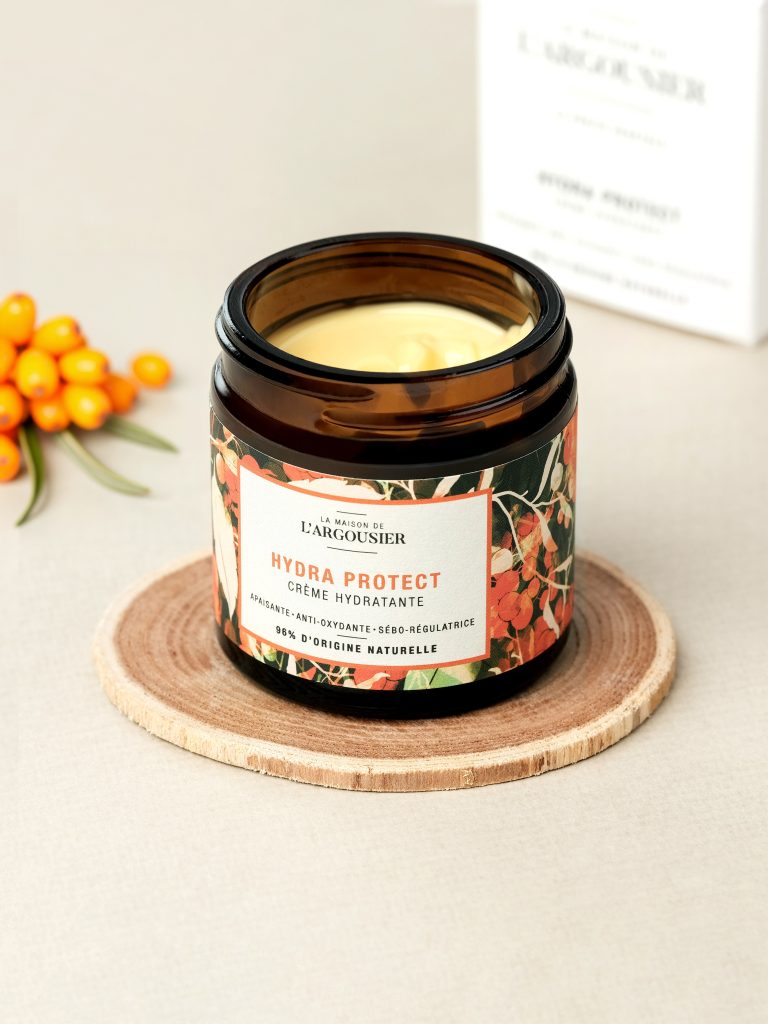
Sea buckthorn shrubs are dense and thus provide habitat for local wildlife. They can withstand temperatures as low as -30°C. The nutrient-rich sea buckthorn berries ripen in the fall. They then serve as one of the few sources of energy for local insects and birds.
Ces baies ne profitent pas qu’à la faune sauvage. Le fruit comestible de l’argousier intéresse aussi l’homme pour sa saveur acidulée et sa teneur exceptionnelle en vitamine C. Jus, confitures ou sirops : les façons de le déguster sont nombreuses, même si on le consomme rarement cru.
Les baies d’argousier renferment une richesse en composés hydrosolubles remarquable : vitamine C, polyphénols et flavonoïdes. Pour préserver ce patrimoine nutritif, des procédés doux comme l’eau native extraite de la baie permettent de récupérer ces actifs sans chaleur ni solvant. Cette approche respecte le totum végétal du fruit, là où d’autres méthodes d’extraction le dégradent.
La Maison de l’Argousier owns its own sea buckthorn orchard, which is cultivated using organic farming methods. It participates in scientific research on this gem of nature.
Sea buckthorn is much more than just a plant. It is a treasure of nature, both for the ecosystem and for humankind. By protecting this small shrub—which is so little known in our parts of the world—we are preserving our planet’s biodiversity and investing in our own well-being and health.


 Free shipping when you buy 2 or more items!