



Why Your Face Blushes: Understanding the Causes to Take Better Action
Redness occurs when the capillaries in the face—those tiny blood vessels just beneath the skin—dilate excessively. Blood rushes to the area, and the skin turns red. So far, so good. The problem arises when this dilation of the blood vessels becomes frequent or permanent. There are two main types of redness. The temporary redness, triggered by cold, heat, strong emotions, or spicy food. And the persistent redness, associated with a skin condition such as rosacea, couperose, eczema, or seborrheic dermatitis. In the latter case, it is often a compromised skin barrier The problem lies here: it no longer functions properly as a protective barrier, leaving the skin vulnerable to external aggressors. Common triggers include chronic stress, alcohol, coffee, spicy foods, pollution, and unfiltered UV rays, as well as overly harsh skincare products (exfoliating scrubs, alcohol-based lotions). Identifying your own triggers is half the battle. If the redness becomes persistent, painful, or worsens over time, consult a dermatologist before taking any further action.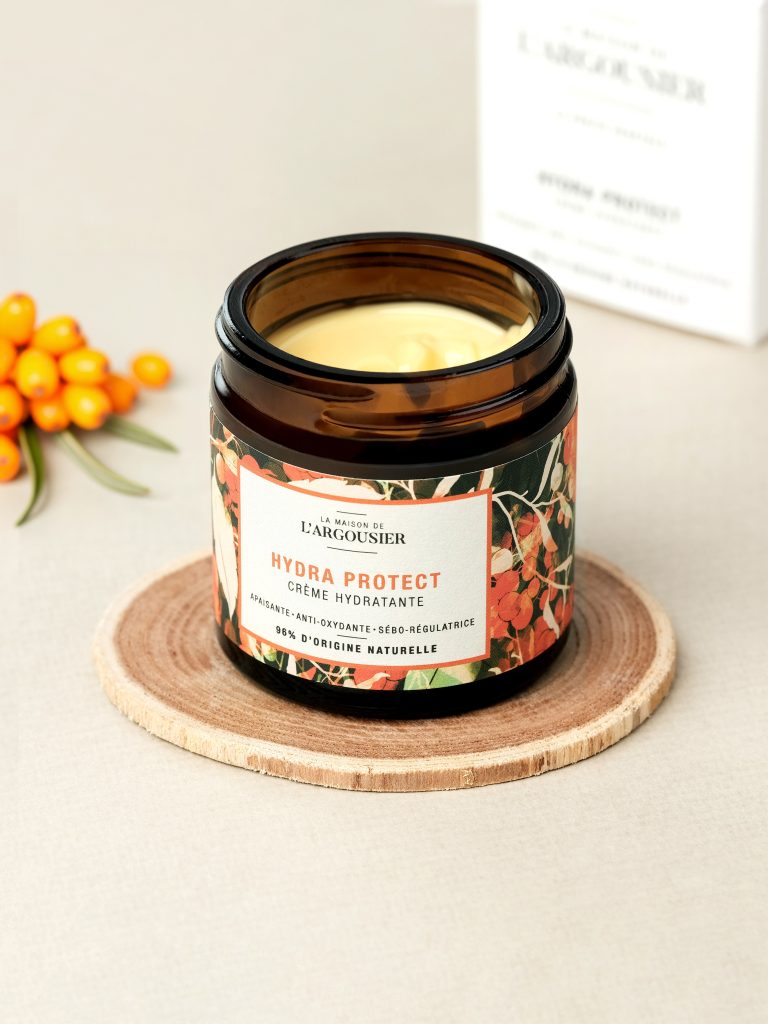
Rosacea, couperose, or just irritation: how can you tell the difference?
Before choosing a natural remedy, you first need to know what you’re dealing with. The rosacea manifests as persistent redness, often on the cheeks, nose, and chin, sometimes with small blood vessels visible on the surface. The rosacea is an early stage, characterized by this permanent dilation of the capillaries. A minor irritation, on the other hand, usually clears up within a few hours once the trigger has been removed. Red patches on the face may also indicate eczema (redness with itching, compromised skin barrier) or contact dermatitis (a reaction to an allergen). A natural approach works in most cases, but the diagnosis guides the choice of active ingredients. If in doubt, medical advice is essential.Natural ingredients that truly soothe redness
Persistent facial redness is not always caused by rosacea or couperose. In adults, acne remains a common cause of localized inflammatory lesions on the chin, jawline, and neck. This inflammatory redness associated with adult acne affects up to one in two women over the age of 25 and is driven by specific hormonal mechanisms that require appropriate treatment.
Aloe vera: the universal soother
Aloe vera is one of the most well-documented remedies for soothing redness. Its anti-inflammatory and healing properties make it a valuable ally for skin prone to redness, especially after sun exposure or extreme weather conditions. To get the most out of it, choose a pure aloe vera gel (at least 95%) with no added alcohol or fragrance, and apply it to clean skin.
Raw honey: antibacterial and healing
Raw, unheated honey has remarkable anti-inflammatory and healing properties. Apply a thin layer of thyme or lavender honey to sensitive areas for 10 to 15 minutes before rinsing with lukewarm water: a truly soothing treatment for reactive skin prone to redness and blemishes.Chamomile: a gentle anti-inflammatory
Chamomile, rich in bisabolol, offers soothing and decongestant properties that are particularly well-suited for skin prone to redness. Whether used as a hydrosol (daily toner) or a compress (cooled infusion applied for 10 to 15 minutes), it helps gradually reduce facial redness.Vegetable oils: nourish without stripping
Not all oils are created equal when it comes to sensitive skin. Opt for pure, organic, virgin, and non-comedogenic plant-based oils. Calendula oil is particularly effective for its anti-inflammatory properties in cases of chronic redness. Hemp oil, rich in omega-3 and omega-6 fatty acids, helps regenerate and balance the skin. Chamomile oil soothes even the most sensitive skin. Argan oil, rich in vitamin E, nourishes and protects the skin barrier. But the one we can’t recommend highly enough is sea buckthorn!Sea buckthorn: the omega-7 powerhouse for strengthening the skin barrier
Among the lesser-known yet most fascinating natural ingredients for skin prone to redness, sea buckthorn deserves special attention. This berry is one of the few fruits in the world to contain omega-7 in significant concentrations, a fatty acid similar to human sebum, capable of strengthening the skin barrier and helping to regulate sebum production in both directions. Sea buckthorn also contains 9 times more vitamin C than an orange—an antioxidant that supports microcirculation—and 10 times more beta-carotene than a carrot, a precursor to vitamin A involved in cell regeneration. The native water from the berry, rich in malic acid, has soothing properties that help reduce skin inflammation. According to a reference book on sea buckthorn, sea buckthorn oil is traditionally used to soothe and repair the skin in cases of dry, irritated, or redness-prone skin. The Sea Buckthorn House harnesses this richness by combining the natural water and oil from the berry in its cream Hydra Protect, formulated with 96% naturally derived ingredients. Clinically tested under dermatological supervision, free of endocrine disruptors and essential oils, this moisturizing and sebum-regulating cream is designed for sensitive skin. The enzymatic extraction process, which uses no solvents or heat, preserves all of the berry’s active ingredients.A complete natural routine to soothe skin prone to redness
In the morning: protect and moisturize
Start with an ultra-gentle cleanse using a cleansing balm with a physiological pH (5 to 5.5) that is free of sulfates and synthetic fragrances. Rinse with lukewarm water without rubbing. Spray on some chamomile hydrosol, or better yet: you can also opt for the Soin Secret d’Éclat water from Maison de l’Argousier. Its unique concentration of vitamin C and malic acid makes it a soothing treatment with proven effectiveness! Immediately apply a natural moisturizer containing soothing ingredients (sea buckthorn oil, aloe vera, ceramides) to skin that is still slightly damp. Finish with a mineral sunscreen with an SPF of at least 30, as UV rays can worsen redness even on cloudy days.In the evening: repair and nourish
The skin enters a phase of intensive cell regeneration while you sleep: this is the ideal time to apply richer natural skincare products. After gently cleansing, apply a soothing plant-based oil rich in antioxidants: sea buckthorn oil is one of the only oils in the world to contain omega-7, a substance similar to human sebum that is ideal for skin repair. Skin prone to chronic redness will benefit from a cream like Hydra Protect from Sea Buckthorn House, whose combination of natural spring water and sea buckthorn oil restores the berry’s natural balance to soothe the skin and strengthen its protective barrier.Diet and lifestyle: the other half of the equation
Adopting a healthy lifestyle significantly enhances the effectiveness of natural treatments. Diet plays a direct role in skin redness: prioritize omega-3s (flaxseeds, fatty fish), berries, turmeric, and legumes. Limit alcohol, coffee, spicy foods, and ultra-processed foods, which are known to trigger hot flashes and worsen blood vessel dilation. Drink 1.5 to 2 liters of water per day to maintain skin hydration from the inside out. Since stress is a major trigger for redness, heart coherence, deep breathing, or meditation can make a real difference. Also remember to humidify indoor air in winter (heating dries out the skin) and avoid very hot showers, which promote vasodilation.What to Avoid at All Costs If You Have Sensitive Skin
Hormonal fluctuations don’t just cause hot flashes. The drop in estrogen during menopause unleashes the effects of androgens, which stimulate the sebaceous glands and contribute to the simultaneous appearance of redness and inflammatory breakouts. If this applies to you, natural solutions exist to treat redness and acne during menopause by regulating sebum production from within, particularly through omega-7.
Sometimes, the best skincare routine involves eliminating irritants. Skin prone to redness is hypersensitive: the fewer ingredients a product contains, the lower the risk of a reaction. Here are the most common mistakes:- Scrubs with exfoliating beads and rotating brushes: they cause micro-aggressions to an already fragile skin barrier.
- Alcohol-based lotions and astringent micellar waters: they strip away the protective hydrolipidic film.
- Warming essential oils (peppermint, rosemary): They stimulate vasodilation and can worsen redness. If you have rosacea, it’s best to avoid all essential oils.
- Lemon: Too acidic for irritated skin, it can cause a stinging sensation and disrupt the skin's pH balance.
- Synthetic fragrances and irritating preservatives: choose simple, natural, silicone-free formulas.
FAQ
Which vegetable oil should I choose for facial redness?
Calendula oil is ideal for chronic redness thanks to its powerful anti-inflammatory properties. Hemp oil, rich in omega-3 and omega-6 fatty acids, balances and regenerates sensitive skin. Argan oil, rich in vitamin E, nourishes and protects. Sea buckthorn oil stands out for its exceptionally high concentration of omega-7, a sebum-regulating fatty acid that nourishes without leaving a greasy residue and strengthens the skin barrier.What natural anti-inflammatory should I use for my facial skin?
Among the most effective natural anti-inflammatories for soothing facial skin, aloe vera, chamomile, and raw honey are the most readily available. The malic acid found in sea buckthorn juice also has soothing properties that help reduce skin inflammation. The polyphenols and vitamin C, present in large quantities in sea buckthorn berries, provide antioxidant protection that helps calm redness.What's Grandma's remedy for facial redness?
Mix one tablespoon of plain yogurt, one tablespoon of raw honey, and a blended slice of cucumber. Apply this soothing mask for 15 minutes, then rinse with lukewarm water. The yogurt provides probiotics that rebalance the skin’s flora, raw honey acts as an antibacterial and healing agent, and cucumber hydrates and soothes inflammation. Repeat once a week. Caution: avoid lemon, vinegar, and citrus fruits, as they are too harsh for skin prone to redness. The information provided is for informational purposes only and does not constitute medical advice. Consult your doctor or pharmacist.Sources and references
- Larmo P, Alin J, Salminen E, et al., “Effects of sea buckthorn berries on infections and inflammation: a double-blind, randomized, placebo-controlled trial,” European Journal of Clinical Nutrition, 2008; 62: 1123–30.
- Menvielle-Bourg, F.J., “Plants and Aging: Current Data,” Phytothérapie, 3, 57–71, 2005. https://link.springer.com/article/10.1007/s10298-005-0070-5


 Free shipping when you buy 2 or more items!